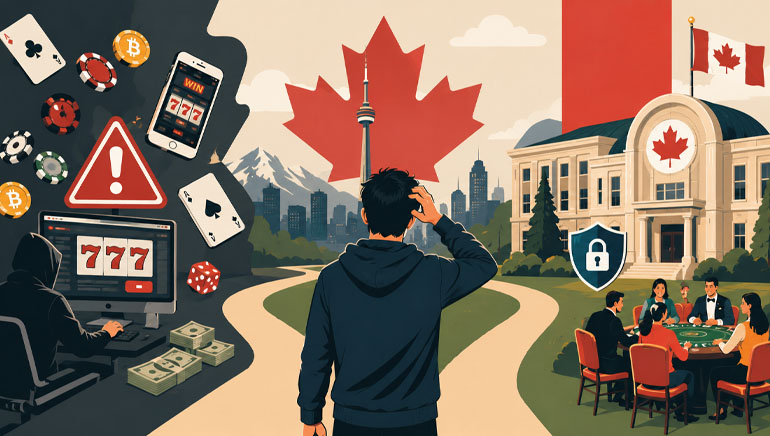
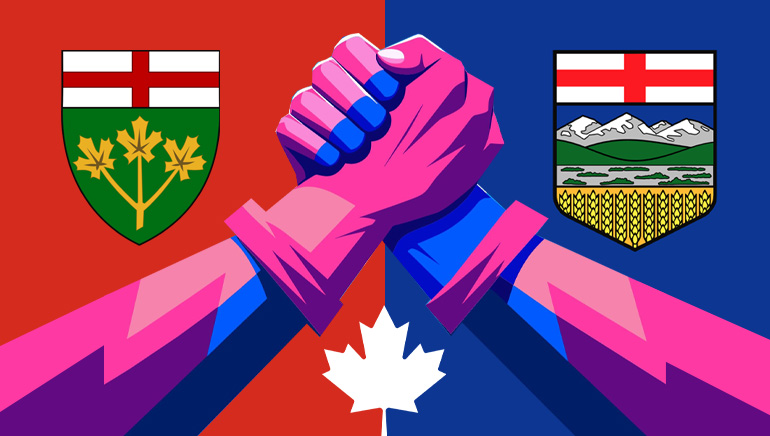
Join us as we examine the road to legal sports betting across Canada and the introduction of Bill S-269, which seeks to limit sports betting advertising in the country and reduce gambling-related harm.
Online sports betting has become increasingly popular in Canada. Canadian bettors have access to a wide range of sports and betting markets, including popular leagues like the NHL, NBA, NFL, and MLB. The convenience of mobile betting apps has made it easy to place bets on the go from anywhere.
Canada has a strong sports culture with passionate fans, and numerous online sportsbooks offer bettors various choices and competitive odds.
Sports betting in Canada has recently undergone massive changes. Thanks to a law passed in August 2021, betting on single sports games is now legal in Canada. This change means different provinces can set up rules and tax structures for sports betting. As a result, you can now legally bet on sports online in many parts of Canada.
Ontario led the way, becoming the first province to legalise sports betting. In April 2022, mobile sports betting launched in Ontario, with about two dozen sportsbooks going live in the province.
The Canadian Parliament has been locked in a heated debate over Bill S-269, the National Framework on Advertising for Sports Betting Act, which is now said to be facing an uphill struggle to be heard in the House of Commons.
The Bill was advanced by the Senate earlier in November after hours of committee wranglings and several readings.
Bill S-269 seeks to establish a national framework for sports betting advertising in Canada, with some of the key provisions being:
The bill would require the Minister of Canadian Heritage to develop a national framework for regulating sports betting advertising nationwide. This would include identifying measures to regulate ads for casino and sports betting bonuses, such as restricting their number, scope, and location.
It also seeks to identify measures to promote research and information-sharing related to the effects of advertising on minors and setting out national standards for the prevention and diagnosis of harmful gambling and related support measures.
Advocates for a framework include politicians, mental health and youth support charities and other organisations.
The main arguments have related to protecting minors and vulnerable gamblers from advertising, as well as curbing the spread of marketing for Ontario-regulated gambling operators into other provinces, where the crown lottery corporations run the only source of regulated gambling.
Ontario’s gambling authorities already regulate betting advertising to a certain extent, including using celebrities or imagery that could appeal to children.
The Canadian Gaming Association, some gambling operators, broadcasting regulators, and major sports leagues, including the National Hockey League (NHL) and the NFL, have been critics of the bill.
The CGA and broadcasters have pointed out that advertising spending by gambling operators has already decreased, and the chief concern is that Federal oversight could stifle innovation and muddy the waters.
Key points of contention include:
The future of Bill S-269 remains uncertain as it navigates the legislative process in the House of Commons next.
The outcome of this debate will significantly impact the landscape of sports betting advertising in Canada and have far-reaching consequences for the industry and consumers alike.


 Blackjack
 Roulette
 Slots
Slots Video Poker
 Baccarat
 Poker
Poker