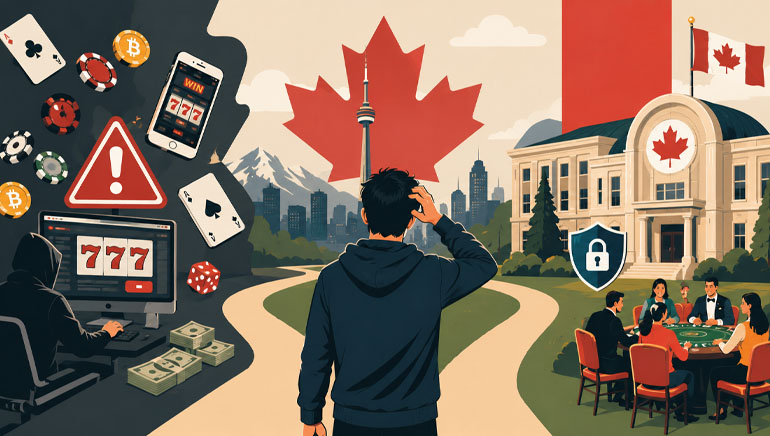
Since the regulated market of Ontario opened, there has been a drastic rise in gambling-related harm. Now there is great focus on curbing gambling ads and preventing further damage.
Ontario’s online gambling industry is about to see some change. With the new proposal, Bill 107 – the Stop Harmful Gambling Advertising Act, they aim to ban gambling ads for online casinos and sports books across television, social media, and sponsorships.
The Bill was introduced in April 2026 by Liberal MPP Lee Fairclough and reflects growing concerns about gambling-related harm, especially when it comes to the youth.
Figures show that since Ontario’s regulated iGaming market opened in 2022, there has been a drastic rise in calls to addiction helplines. The biggest question or debate at present is whether advertising is fuelling risky behaviour.
Bill 107 is about imposing sweeping restrictions on how gambling services are to be promoted. The bill wants to amend the existing gaming laws to ban licensed operators and their partners from promoting gambling bonuses and promotions through various channels. This includes social media, sponsorships, and television.
Aside from the advertising ban, there will be penalties for those who violate the rules. The bill is focused on both direct ads and indirect promotions, which include the sponsorship of any sports teams or events.
According to Fairclough, gambling ads should be treated like tobacco and cannabis promotions. Both were banned to protect public health.
If the legislation is enacted, operators will be subject to strict penalties. The companies that violate the rules will face fines of up to $1 million. And any repeat offenders will risk losing their operating licenses.
On top of that, any individuals who are in breach will also be facing significant financial penalties.
The bill is driven by the concerning public health data. This indicates the helpline calls have gone up 254% since Ontario’s iGaming market launched in 2022. Not to mention, 144% of the calls came from teenage boys. And about 337.8% from men aged 15 to 24.
Aside from the concerning call rates, nearly ¼ of people aged 18-29 (23.5%) who took part in online gambling reported financial or psychological harm.
The figures show that gambling ads are part of a problem and normalise risky behaviour, especially among younger players who tend to be more susceptible to marketing influences.
As with most laws, the proposal has sparked a heated debate with supporters and critics.
The supporters feel that ads tend to glamorise gambling and make it appear harmless. They also feel that exposure during sports broadcasts and on social media encourages the participation of the youth. These supporters feel that restrictions will help reduce normalisation and curb addiction rates.
The critics, on the other hand, feel that banning ads could only serve as a trigger for customers to seek out entertainment from unregulated offshore operators, which would ultimately expose them to greater risks.
The critics are convinced that advertising helps regulated companies compete against the illegal markets. A blanket ban may do more damage to legitimate operators who follow regulatory and responsible gambling requirements.
The debate highlights the importance and challenge of finding a balance that will protect consumers while allowing the industry to grow.
At the end of the day, the liberals are in the minority, which makes the passage of Bill 107 uncertain. While it has gained traction among mental health advocates, public health experts, and parents, it still faces resistance from industry stakeholders and rival political parties.
Ontario has already taken steps to limit gambling ads, which include banning celebrity and athlete endorsements. But the volume of ads remains high. It’s a big learning curve, and other provinces like Alberta are keeping close watch as they, too, are considering their own iGaming frameworks.
If Bill 107 is passed, then Ontario could be setting the stage for federal restrictions in line with those imposed on alcohol, tobacco, and cannabis. We could also see operators shifting their focus from mass advertising to direct engagement, loyalty programs, and improved responsible gambling initiatives.
With reduced exposure, the addiction rates could be lowered, especially among the youth who remain a priority focus. Like the UK, however, they may face a trade-off. Lessening exposure but driving players towards offshore sites.
At the end of the day, Ontario’s Bill 107 is more than a local focus; it reflects a global conversation regarding casino bonus advertisements and their impact on society. As a player, your best bet is to stick to licensed, regulated platforms. And if you’re not sure where to start, we suggest looking at our recommended Ontario casinos.
Tags
alcohol and gaming commission of ontario ontario casinos online gambling online casino canada ontario





 Blackjack
 Roulette
 Slots
Slots Video Poker
 Baccarat
 Poker
Poker